

How Furniture Refurbishment Can Lift Up the Value Of Your Furniture?
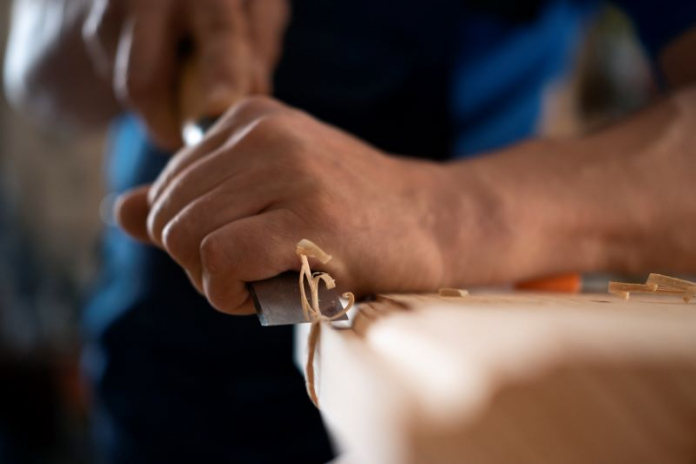
You all have pieces of furniture that have seen better days. Often, the immediate reaction to scuffed wood is to throw the item away and buy something new. However, this approach often leads to unnecessary waste and high costs.
There is a smarter, more sustainable alternative that retains the quality of your original pieces while making them look brand-new. This solution is furniture refurbishment.
When you choose to refurbish rather than replace, you breathe new life into your existing assets. This process involves skilled techniques that not only restore the appearance of the furniture but can actually increase its lifespan and overall value.
Why Furniture Refurbishment is the Way to Lift the Value of Your Furniture?
A. The Scope of Restoration
Refurbishment goes far beyond a simple clean. It is a process that addresses the structural integrity and the aesthetic appeal of the furniture. When you opt for furniture refurbishment, skilled craftspeople strip the piece back to its core to identify issues.
This level of attention makes sure that the furniture functions just as well as, if not better than, a brand-new item. It allows you to keep high-quality frames that might be expensive to replace in today’s market, while simply updating the furniture's skin to match modern trends or branding.
B. The Economic and Environmental Logic
Beyond the physical improvements, furniture refurbishment actually makes practical sense. When you replace high-quality furniture, it is actually expensive. New items often use inferior materials compared to your older pieces. When you choose refurbishment, you keep the superior materials of the past while enjoying a brand new finish.
Furthermore, this choice supports sustainability. Every piece of furniture you refurbish is one less item in a landfill. It reduces the demand for new timber and the energy consumed in manufacturing and shipping new goods.
Important Features and Benefits of Refurbishing Furniture
To understand how furniture refurbishment increases value, let's look at the specific types of restoration available.
1. Modern Furniture Restorations
Modern furniture restorations involve updating the modern pieces. It often applies to kitchen units, office furniture, or modern dining sets whose finishes have chipped or whose colours feel outdated. Modern furniture often features durable frames but suffers from surface wear. High-traffic areas in homes or commercial spaces lead to scuffs, watermarks, or faded fabric, making the whole room look tired.
You can completely transform a room's look without buying new stock. It creates a factory-quality finish that looks brand new, instantly modernising your space and extending the life of your investment.
2. Ercol Furniture Restoration & Repairs
Ercol furniture is actually iconic, known for its bentwood frames and specific designs. Restoration here involves specialist tasks like tightening loose joints and stripping back. These are design classics, but the originals eventually deteriorate, which causes the seats to sag. The wood finishes also degrade over decades of use. Discarding an Ercol piece is a financial mistake, as it has significant market value.
Proper furniture refurbishment for Ercol pieces restores both comfort and value. This preserves a piece of design history and ensures it remains a functional, comfortable, and valuable asset for generations to come.
3. Antique Furniture Restorations
Antique furniture restorations require a sympathetic approach. The goal is to conserve the character and the aged look while ensuring structural stability. Antiques are irreplaceable. However, they are susceptible to environmental changes, woodworm, and loose veneers.
A professional restoration breathes life back into the piece without erasing its history. This process secures the antique's financial investment while ensuring it remains a beautiful and usable in your home.
Frequently Asked Questions (FAQs)
1. Is it worth refurbishing modern furniture or just antiques?
Yes, modern furniture refurbishment is often highly cost-effective and allows for complete customisation to suit changing decor.
2. Does refurbishing affect the value of antique furniture?
Yes, if done correctly using actual methods, it restores the piece's beauty and helps maintain or increase its market value.
3. Can furniture refurbishment fix structural damage like wobbly legs?
Yes, the process involves repairing the joints and fixing structural issues before any cosmetic work begins.
At the end of the day, the value of furniture goes beyond its price tag. It encompasses comfort, history, and aesthetic appeal. When your furniture begins to show its age, furniture refurbishment offers the most logical path forward. It allows you to customise the look, ensure durability, and save money, all while acting responsibly toward the environment.