

Traits That Tell Your Furniture Need Antique Furniture Restoration
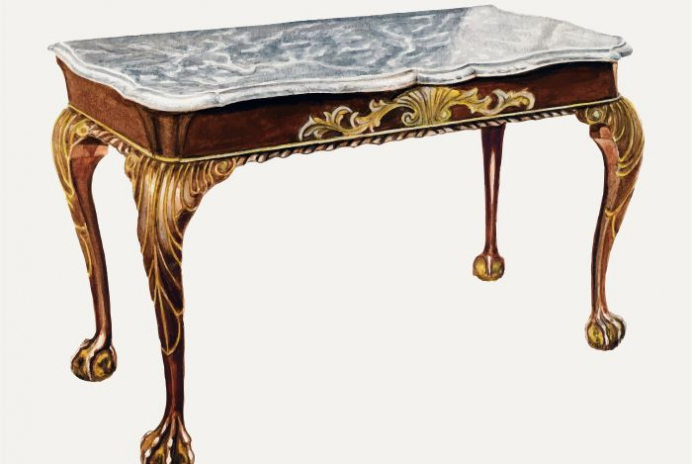
Antique furniture restoration in 2026 is gaining more attention. Most people are seeking sustainable options over new ones. This guide will help you decide which piece deserves a second life. Antique furniture restoration is fixing and preserving your items of the past. This free checklist will help you understand everything.
Why Antique Furniture is Special in 2026?
Antiques come from solid woods like oak or mahogany. With the rising eco-friendly trends people are valuing traditional pieces more. Besides, restoration reduces waste and keeps the tradition alive.
Modern homes mix old and new styles. Such a blend demands for well-kept antiques. Pieces from 1800s will be the best ones. The items must also fit your current space perfectly. If things work then restoration will pay off.
Things to Consider for Antique Furniture Restoration
Antique furniture restoration needs thorough consideration. So, check the condition first. Look for cracks and missing parts. Minor issues may get fixed easily. Major damage, such as rot or broken frames, costs more.
Antiqure furniture restoration needs careful considerations.
- Solid wood is best for repairs.
- Age is important.
- Items over 100 years are true antiques.
- Market trends favor mid century and Victorian styles.
Every piece comes with an emotional value. Restoration preserves memories. Balance the cost against the benefit. Simple fixes will run low while full overhauls may add up.
Free Checklist: Is Your Piece Worth Restoring?
Use this checklist to assess your antique. Go through each of the point step by step. It will guide your decision.
Inspect Structure: Stand the piece upright. Does it wobble? Check legs and joints for stability. Firm bases suggest good restoration potential.
Examine Wood Quality: Feel the surface. Real wood grains feel authentic. Avoid pieces with fake finishes or heavy water damage.
Spot Original Features: Look for dovetail joints or hand-carved details. These show professional work and upgrades value post restoration.
Check Wear and Tear: Note the scratches or fading. Surface problems fix with polishing. Deep issues need expert help.
Check for Pests: Tap the wood. Listen for hollow sounds or see bug holes? Infestations ruin wood fast.
Evaluate Rarity: Search for maker stamps or unique designs. Rare items will sell higher after antique furniture restoration.
Consider Size and Function: Measure it. Does it suit your room? Functional pieces like tables or chairs restore better than odd decor.
Budget the Costs: Estimate repairs. Basic antique furniture restoration starts at low budget. Complex jobs can be expensive.
Choosing to Resale: Know if you want the piece. Or choosing to sell. Restored antiques bring 20 to 50% more in 2026 markets.
Get a Pro Opinion: Consult a restorer. They spot hidden value you might miss.
Avoid these Major Mistakes
Do not rush with your decision. Do not ignore small flaws. They will grow eventually. Cheap fixes will harm the originals. Always test your finishes first. In 2026, apps help identify styles, but verify with experts. Avoid assuming all old items qualify as antiques.
Age alone doesn't cut it. Focus on quality. Poor materials will not last. So, think for long term. Restoration protects against further decay. You will enjoy the piece for years.
When to Walk Away from Restoration?
Not every antique deserves work. If damage exceeds 50% of the piece, reconsider. High costs versus low value signal a no go. Modern replicas mimic antiques but lack soul. Pieces with toxic old paints pose risks. In 2026, safety standards matter more. Safety standards are important today. Pieces with toxic old paints hold risk. Antique furniture restoration work best that come with strong stories.
Benefits of Pursuing Antique Furniture Restoration
Restoration revives beauty. You will see faded woods glow again. It boosts home value too. Guests notice unique pieces. Environmentally, it cuts new production needs. In 2026, green living trends support this. Personal satisfaction comes from saving history. Skills learned apply to future projects. Community groups share tips. Start small to build confidence.
Next Steps After Your Checklist
Reviewed the list? Decide based on facts. Find local restorers through word of mouth. Ask about their process. Prepare photos and details for quotes. Set a budget cap. Track progress if you proceed. Online forums offer advice. You may share your story to inspire others.
In summary, antique furniture restoration connects the past with present. Your choice will shape its future. Use the checklist to weigh options. Furniture restoration rewards thoughtful efforts. Act now to preserve your find!