

What Are The Do’s And Don'ts of Antique Furniture Restoration?
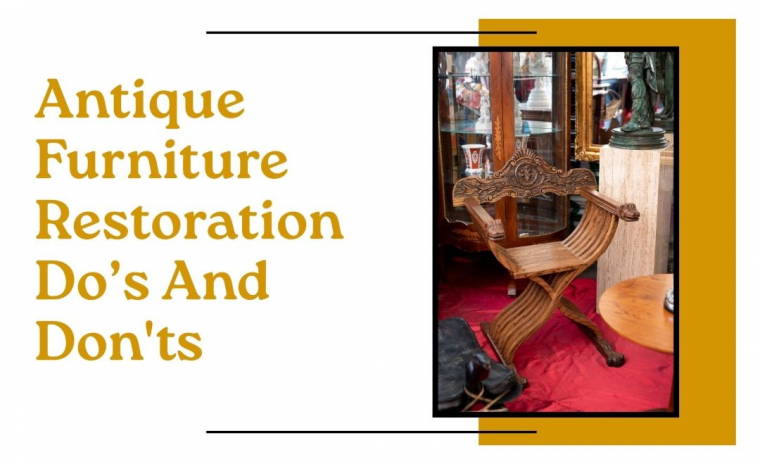
The Antique Furniture restoration process is a very critical process. And not always can you just DIY it. Choose what you want to do with your furniture. Before diving into the antique furniture restoration process, it is very important to prepare. Start by researching the type of furniture you are going to be working with, including its history and the materials used in the process. Understanding the original finish and craftsmanship will actually help you make informed, good, and effective decisions throughout the restoration process itself.
Do's for the Restoration of Antique Furniture
1. Seek advice from specialized Professionals: Restoring antique furniture needs specific knowledge and skills. Seek advice from experienced restorers for a better restoration.
2. Distinguish Restoration and Repair: It is important to understand the difference between a full restoration and simple surface enhancements, like repairing the furniture.
3. Try Not to Damage the existing Details: When cleaning or repairing antique furniture, take care of the furniture and do not damage the original finish. This is especially crucial for pieces with fragile elements.
4. Clean Without Using Water or Harsh Chemicals: At first, begin by removing dirt with a soft brush or even using a vacuum. Avoid using only water or any kind of harsh cleaning solutions on veneer.
5. Restore the Original Hardware: Try to preserve the original old look of the furniture, which makes it look vintage and also lets it have a retro look. Try to keep the originality by using proper methods.
Don’ts for the Restoration of Antique Furniture
1. Do Not Rush the Process: Any kind of restoration needs time, so make sure not to rush the process, as it can hamper the process itself.
2. No to Modern Materials and Finishes: Applying modern finishes that are not suitable for that specific type of wood in the furniture can result in discoloration and other issues.
3. Do Not Damage the Existing Finish: When you fail to completely remove the old finish before applying a new one, it can be uneven or create an unappealing appearance.
4. Do Not Remove the Natural Patina: The patina that develops on antique furniture over time is an alluring feature that everybody wants, and it also contributes to its charm.
Consider these Factors for Successful Restoration
1. Assess the Condition of the furniture
Before starting any antique furniture restoration work, carefully inspect the furniture and specify the overall condition and the exact areas that require attention. This examination will help you plan your approach and gather the essential materials and tools.
2. Know About the Historical Significance
Do research about that special piece of furnishings even before you do the restoration. This knowledge will guide your restoration findings and help you maintain the realism of the furniture.
3. Learn about the Potential Risk
Consider all the possible consequences of the restoration process, both in terms of the furniture’s appearance and value. In some cases, restoration may increase the value of the piece, while in others, it could lower its value.
4. Prioritize Preserving The Original
When making any decision about antique furniture restoration, always prioritize preserving the piece’s original features, such as the hardware, finishes, and even the patina, to the extent feasible.
5. Consider a Long-Term Care
Consider a plan for the ongoing care and upkeep of your restored antique furniture to ensure its longevity and control future damage. This may include regular cleaning and monitoring for any indications of damage.
These are the things you have to keep in mind. From doing the basics like seeking advice from professionals to keeping the original value of the work, and even enhancing its value. You also have to know not to rush the antique furniture restoration process. Keep these considerations in mind, and you are good to go. If you are confused in anything do not go and DIY it, just get professional help from our restoration services.