

How Experts Restore Antique Furniture After Fire or Flood Damage?
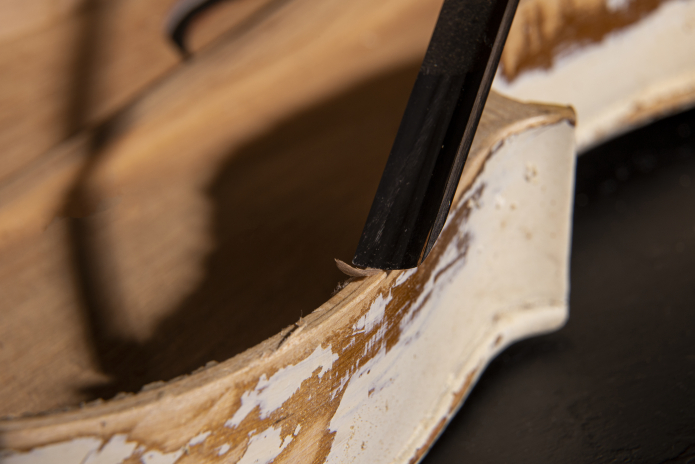
Fire and flood damage affect antique furniture in ways that aren’t immediately visible. Excess moisture swells timber and loosens joints, while heat, soot and firefighting chemicals damage finishes, veneers and more. So when considering furniture restoration in Berkshire, knowing how professionals assess, stabilise and repair these materials is crucial for preserving the overall integrity of these pieces.
1. Stabilisation is Key
Professional restorers do not immediately refinish a damaged antique. The first priority is to stabilise. After flooding, excess moisture must be controlled. This is because saturated wood may swell, its joints can loosen, and inlays or veneers may lift.
Drying has to be gradual and controlled rather than relying on intense heat, which can create differential shrinkage and cracking. The water source also matters. Clean water, grey water and contaminated floodwater present different risks, particularly for porous timber, upholstery and internal cavities.
2. Assessing Fire, Smoke and Heat Damage
Fire-damaged furniture requires a different diagnostic approach. Restorers examine charred, blistered finishes, soot deposits, smoke penetration and heat-related distortion. Even when flames haven’t directly reached the furniture, acidic soot and smoke residues continue affecting surfaces if they stay untreated.
Firefighting creates another layer of damage. Water and extinguishing solutions penetrate joints and upholstery. This causes a piece to have both thermal and moisture-related deterioration. Specialist furniture restoration therefore provides prompt residue removal without unnecessarily stripping an original finish.
3. Examining the Structure Before Appearance
A professional assessment goes beneath just visible marks. Restorers look for mortise-and-tenon joints, dowels, screws, substrates, drawer construction and areas where timber has distorted. They also look for fungal growth and evidence of prolonged moisture exposure.
The objective for valuable antique furniture is often just to conserve it rather than make it look fully brand new. Existing finishes, tool marks, patina, etc., contribute to authenticity. However, some homeowners might also want to fully restore an antique, too. Hence, experienced furniture restoration specialists in Berkshire carefully repair and retain when necessary.
4. How Controlled Cleaning and Drying Helps
Once the item is stable, cleaning is done according to the material and contaminant. Soot cannot simply be wiped aggressively from a fragile finish. Floor-damaged timber requires staged drying before loose veneer or weak joints can be fixed safely.
Modern restoration therefore combines craftsmanship with controlled procedures. Moisture monitoring, photographic documentation, inventories and condition reports help restorers track deterioration and provide evidence for insurance assessments.
5. Repairing Only What the Furniture Needs
After stabilisation, repairs may incorporate:
• Regluing joints
• Re-securing veneers
• Replacing timber
• Fixing marquetry
• Recreating missing components
Finishing work may then address tide marks, smoke staining, odour and damaged polish. The repair should obviously be visually coherent with the original piece. Berkshire therefore has specialist restoration businesses working with damaged classic furniture and antiques, including repairs to missing beading, legs and other components followed by accurate repolishing.
Fire or flood damage does not automatically mean an antique is beyond repair. Assessment, stabilisation and conservation-focused techniques can recover much of its structural and visual integrity. With professional furniture restoration in Berkshire, timely intervention preserves original materials to a great extent, while craftsmanship and character are maintained while addressing serious environmental damage.
Corwell Furniture Restorers are experienced furniture makers based in Reading, Berkshire, and have been refurbishing antique and modern furniture since 1980. Drawing on our extensive knowledge, we repair and restore furniture to its proper condition and appearance. Let us handle your next antique furniture restoration project. The results are guaranteed to leave you awed. Stay tuned to our blogs for more.