

How Ercol Restoration Protects Elm Seats and Original Patina
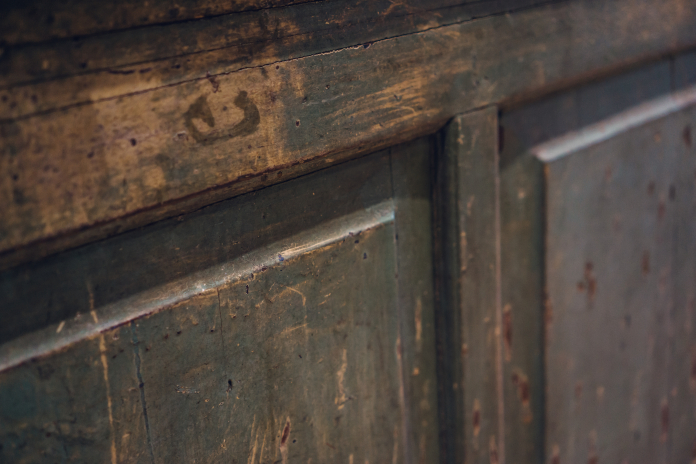
Ercol furniture is widely loved across the UK for its timeless craftsmanship and distinctive solid elm seats. But decades of seasonal humidity changes cause seat panels to naturally shrink, forming gaps, loose joints or movement. Effective Ercol restoration addresses these concerns while preserving the original patina that gives these vintage pieces their authenticity and historical value.
Why Elm Seats Shrink Over Time?
Traditional Ercol chairs and stools feature solid English elm seat blanks. Although elm is valued for its interlocking grain and durability, it remains hygroscopic. That means it naturally absorbs and releases moisture from the surrounding environment. Over many years, moisture fluctuations gradually reduce the timber’s equilibrium moisture content, causing:
• Fine shrinkage cracks
• Slight gaps around joints
• Loose wedges or tenons
• Minor distortion across seat surface
Such changes are usually the result of natural ageing only. It hints that the timber has reached a new equilibrium after decades of seasonal movement.
Why Preserving the Original Patina Matters?
A defining characteristic of vintage Ercol furniture is its naturally developed patina. Oxidation, handling, sunlight exposure and daily use gradually create subtle colour variations and surface depth that cannot be authentically recreated with modern finishes.
When professionals perform Ercol restoration, this surface is given utmost importance and preserved aptly. Any excessive sanding permanently removes aged fibres. This also affects collector value. Restorers keep that in mind. Hence, they aim to stabilise the structure while retaining as much of the original material as possible.
Assessing Whether Shrinkage Needs Repair
Not every shrinkage gap requires intervention. Restorers often determine if movement is active or has already stabilized. The assessment typically includes:
• Measuring moisture content using calibrated timber moisture metres
• Checking joint integrity
• Inspecting crack direction and depth
• Identifying previous repairs that may restrict natural timber movement
This careful diagnosis prevents unnecessary repairs that could potentially stress the timber in the future.
How Professionals Stabilize the Timber?
Modern conservation techniques focus on minimal intervention. Rather than replacing large seat sections, specialists stabilize existing timber wherever possible. For a broader look at repair options, see our Top Things You Need To Know About Ercol Furniture Repairs. Depending on the condition, restoration involves:
1. Localised Crack Consolidation
Fine cracks are stabilized using conservation-grade adhesives. These are made to penetrate narrow openings without staining surrounding wood.
2. Joint Repairs
Loose leg joints or seat connections are carefully dismantled when necessary before being reassembled using appropriate adhesives that accommodate natural timber movement.
3. Gap Treatment
Where shrinkage leaves visible gaps, Ercol restoration involves carefully colour-matched timber inserts or conservation fillers only when justified. These repairs are designed to blend in without disguising the furniture’s age.
4. Protecting the Existing Finish
The biggest risk during restoration is damaging the original finish. Professionals use conservation-approved methods that remove wax buildup, dirt, and contaminants while preserving the aged finish underneath, instead of stripping aggressively.
Recent developments within UK furniture conservation increasingly favour reversible restoration materials and low-impact cleaning systems. Such methods align with museum conservation principles. Therefore, future repairs without removing original historic surfaces are allowed.
Ercol Chair Maintenance
Successful Ercol restorations do not end once repairs are complete. Owners can help preserve restored furniture by:
• Maintaining stable indoor humidity throughout the year
• Avoiding direct heat sources and prolonged sunlight
• Cleaning with suitable products
• Scheduling professional maintenance if any damage is seen to recur
With proper care, restored elm seats can remain stable for many years while continuing to display the unique character developed through generations of use.
Repairing shrinkage in vintage elm seats demands protecting the original patina, which shows its true craftsmanship. By combining assessment, conservation-based repairs, and proper knowledge, professional Ercol restoration helps preserve these iconic British pieces for future generations without sacrificing their authentic appearance.