

How Restorers Reinstate Antique Furniture After Transit Damage
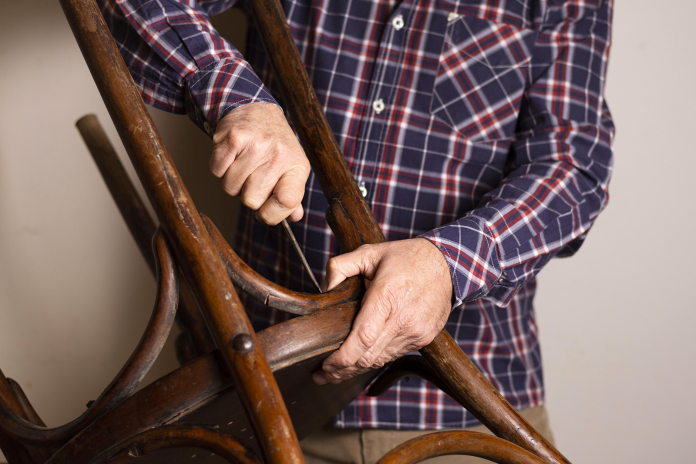
Antique furniture can suffer considerable damage during a move, even when it appears well protected. A sudden impact can loosen traditional joints, while friction against packing materials can scratch aged finishes. Furniture restoration in Berkshire requires precise assessment of these defects to restore structural stability without erasing the craftsmanship and details that make each piece distinctive.
Assessing Damage Before Starting Repairs
Firstly, establish how the furniture was constructed and identify the full extent of the damage. Restorers examine joints, veneers, carved details, and existing finishes before deciding which repairs are most needed.
Photographs taken before treatment document the original condition and distinguish fresh damage from previous wear. Restorers also look for hidden fractures beneath veneer and cracks around fixing points. This inspection prevents cosmetic work from hiding a structural problem that could worsen with use.
The conservation principle of minimum intervention is particularly relevant to antiques. Historic England's published guidance on repair similarly emphasises retaining significant original material and choosing compatible repair methods.
Repairing Scratches Without Removing Patina
Straps, grit trapped in protective wrapping, and contact with doorframes can mark varnish, shellac, or wax finishes. However, not every scratch needs sanding or refinishing.
Furniture restoration experts determine whether the mark has affected the surface coating, penetrated the stain or exposed the timber beneath. Minor abrasions respond to precisely controlled surface treatment. Deep scratches, meanwhile, need localised colour matching and filling. The best method depends on the finish's composition and the surface condition.
Patina deserves particular attention. It forms through ageing, light exposure, handling and past maintenance, creating tonal variations which contribute to an antique’s appearance. Stripping an entire surface to remove a single scratch can eliminate this character.
So, where possible, restorers preserve sound original finishes and limit treatment to damaged areas. Any replacement coating should match the existing finish, visually and chemically, to reduce the risk of poor adhesion or future deterioration.
Stabilising Structural Movement
Transit damage can suddenly stress an antique's load-bearing joints. When a heavy table is lifted by its top rather than its frame, or a chair is restrained unevenly, twisting follows. This obviously loosens glued joints.
Restorers spot the affected joint and assess if the original adhesive has failed or the timber itself is fractured. When needed, they dismantle only the necessary section, remove the failed adhesive, and reassemble it. Clamping must provide enough pressure to close the joint without distorting the frame or crushing fragile timber.
Replacing original joinery with modern brackets or screws isn’t automatically the best solution. Additional fixings can split aged wood. Repair methods should respect the piece's original design while restoring the strength needed for safe everyday use. The joint should also be designed so it can be safely disassembled later with heat, moisture, or mild solvents without causing any damage.
Replacing Broken Components
Detached mouldings, chipped feet and broken decorative elements require individual assessment. If an original fragment survives, it may be possible to reattach it or reconstruct the missing section around it.
When replacement is unavoidable, the new component should match the original timber's characteristics as closely as possible. Carved details require hand shaping to reproduce the existing profile. Similarly, lifted veneer can often be resecured if the material remains salvageable, avoiding replacement.
Antique furniture often holds sentimental value that extends far beyond its materials or age. Furniture restoration in Berkshire offers an opportunity to keep these meaningful pieces relevant as homes and interiors evolve. Giving an heirloom a place in contemporary living lets its story continue, connecting generations through objects that carry memories, artistry, and a distinctive sense of history.
Corwell Furniture Restorers are experienced furniture makers based in Reading, Berkshire, and have been refurbishing antique and modern furniture since 1980. Drawing on our extensive knowledge, we repair and restore furniture to its proper condition and appearance. Let us handle your next furniture restoration project. The results are guaranteed to leave you awed. Stay tuned to our blogs for more such information.