

Can Auction-Bought Antique Furniture Be Restored to Its Original Look?
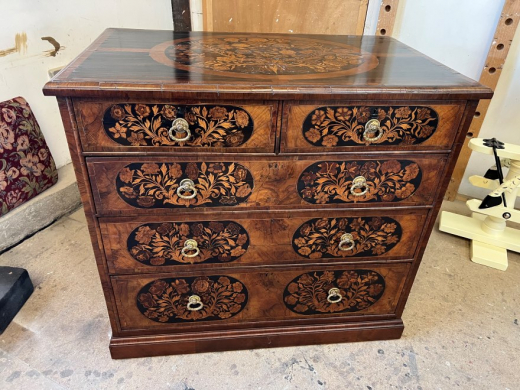
Antique furniture bought at auction can sometimes look far removed from its former condition, particularly when years of wear, damage or neglect have taken their toll. So, can such pieces really be returned to their original appearance? For those considering furniture restoration for such pieces in Reading, the answer depends on the furniture itself and how much of its original character has survived.
Start With the Furniture’s Condition
Before bidding, inspect the piece you choose closely. Check for loose joints, splits, lifting veneer, missing mouldings, woodworm damage, past repairs, or water damage. Inspect drawers, undersides, backs and concealed spaces because these reveal alterations that aren’t obvious from the front.
A conservator should also distinguish between repair, conservation and restoration. Historic England.org defines furniture restoration as returning an object to a known earlier state based only on available evidence.
Why “Original Appearance” Requires Evidence
Restoration doesn’t automatically mean making an old piece look brand new. Its original finish may have included shellac, wax, lacquer, gilding or another surface treatment that has changed through age and use.
Evidence such as old photographs, surviving matching components, construction details and comparable examples help establish what is missing. The Victoria and Albert Museum’s conservation work on an 18th-century chair demonstrates this approach. Research into related furniture helped identify the original upholstery scheme, allowing the chair to be returned to a near-original appearance rather than simply being given a modern replacement.
This is particularly relevant when an auction piece is incomplete. The V&A has also used removable replacement materials where necessary, protecting original material while keeping later interventions identifiable and reversible.
Check Previous Restoration Before Buying
A piece that has already been restored can present different challenges from one with untouched wear. Heavy, improper sanding often removes original surfaces. Modern adhesives or unsuitable coatings further complicate later conservation.
Surface treatment deserves particular attention. The National Trust recommends gentle dusting for furniture in good condition and warns that some aerosol polishes can damage traditional finishes. For valuable auction pieces, ask for any available provenance, previous restoration records and condition reports before committing to a purchase.
Factor Restoration Costs Into the Bid
The hammer price is only one part of the investment. Furniture restoration specialists in Reading also assess the structural repairs separately. Similarly, missing original components can further increase costs because reproductions demand precise recarving or turning.
There are also legal considerations. If antique furniture contains protected materials such as ivory, buyers must check the relevant exemptions and documentation before purchasing. GOV.UK guidance states that dealing in listed ivory requires registration or an applicable exemption.
So, Can It Be Restored?
Often, yes; but an exact return to original appearance is only realistic when enough evidence and original material survive. A skilled furniture restoration should preserve significant historic features while precisely fixing damage and replacing losses. So, before purchasing antique pieces, auction buyers must clarify what’s feasible, what should stay untouched and what restoration will likely involve.
Corwell Furniture Restorers are experienced furniture makers based in Reading, Berkshire, and have been refurbishing antique and modern furniture since 1980. Drawing on our extensive knowledge, we repair and restore furniture to its proper condition and appearance. Let us handle your next furniture restoration project. The results are guaranteed to leave you awed. Stay tuned to our blogs for more such information.